The S&P 500 rose on Monday as investors hoped a deal could eventually be reached between the US and Iran.
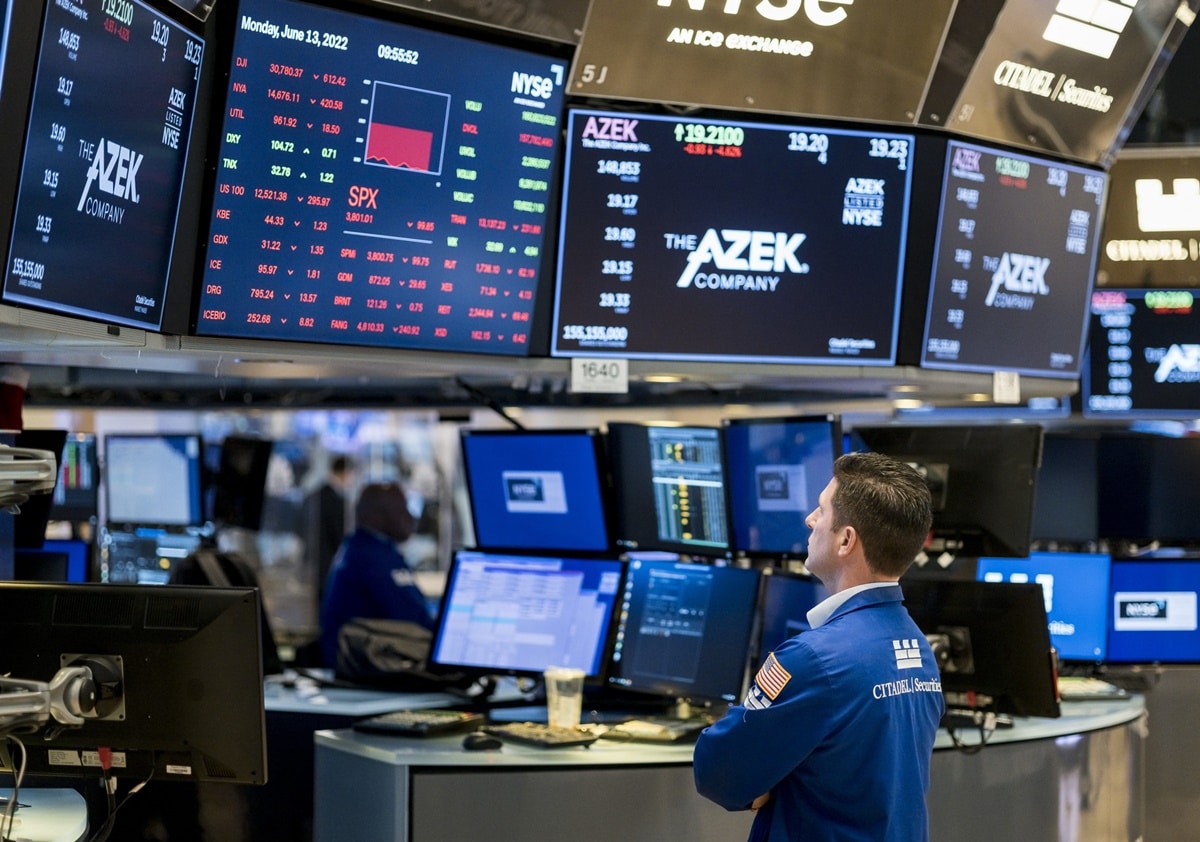
The broad market index jumped 1.02% to end at 6,886.24, its highest close since the start of the war. The Nasdaq Composite rose 1.23% to 23,183.74. The Dow Jones Industrial Average added 301.68 points, or 0.63%, to settle at 48,218.25. The 30-stock index recovered from a fall of more than 400 points, or about 0.9%, earlier in the session. The S&P 500 fell 0.4% to its lowest level of the session, while the Nasdaq fell 0.5%.
Tech names offered a boost to the broader market, with software stocks like Oracle and Palantir Technologies rising nearly 13% and more than 3%, respectively. Those advances helped the S&P 500 erase a decline since the Iran war.
Stocks rose after President Donald Trump said, “We got a call from the other side.” He added: “We would very much like to reach an agreement.”
It comes after Trump announced a blockade of the Strait of Hormuz and peace talks between the US and Iran over the weekend ended without an agreement. The blockade of all maritime traffic to and from Iranian ports took effect on Monday. US Central Command said the US would not block ships using the strait to reach non-Iranian ports.
The breakdown of negotiations in Islamabad has once again raised concerns that the Iran war will last longer than feared, which will lead to higher oil prices that will continue to weigh on economies around the world, SEEbiz reports. The price of West Texas Intermediate crude oil rose by 2.6% to reach $99.08 per barrel. International Brent crude rose by 4.37% and reached $99.36 per barrel.
Vice President JD Vance left Islamabad without a deal with his Iranian counterparts, citing their unwillingness to halt nuclear weapons efforts. But both sides appear to be further apart than the issue itself, with Iran demanding control of the Strait of Hormuz, war reparations and the release of frozen assets.
Mediators from Pakistan, Egypt and Turkey will continue talks with the two countries in the coming days, Axios reported, citing a regional source and a US official.
Trump, who announced a naval blockade after talks broke down, is considering continuing military strikes, the Wall Street Journal reported, citing officials familiar with the situation.