At the beginning of this year, the euro marked its 26th anniversary. This single currency has been in use since January 1, 1999, and today it is the official currency in 20 countries with a total population of 350 million. The last country to join the eurozone is Croatia, at the beginning of 2023.
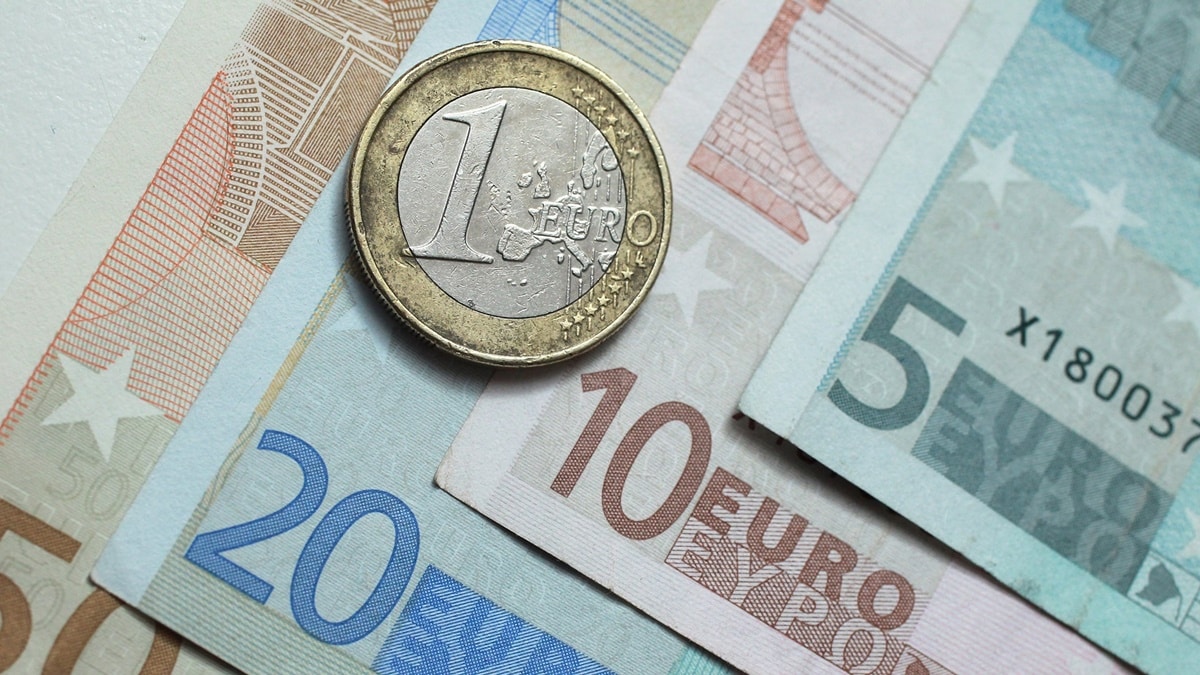
The first euro banknotes and coins entered circulation on January 1, 2002, when they replaced the national currencies of the 12 member states of the then eurozone. On that day, the inhabitants of the European monetary bloc said goodbye to the German mark, the French franc, the Italian lira, the Austrian schilling, the Spanish peseta, the Greek drachma and other currencies.
Over time, the Eurozone expanded, so countries like Estonia, Lithuania and Slovenia replaced their national currencies – the Estonian kroon, litas and tolar – with a common European currency. The name “euro” was officially adopted on December 16, 1995 in Madrid, while the currency itself was initially introduced as a unit of account, replacing the European Unit of Account (ECU).
The introduction of the euro was followed by the doubts of some economists and analysts, who warned that behind the currency there is not a single country like “Euroland” as a guarantor. Despite this, the euro has become a symbol of European integration and optimism, reports Bankar me. The eurozone’s sovereign debt crisis of 2011, which sparked speculation about the common currency’s collapse, tested its stability. Nevertheless, the determination of the leading European economies to strengthen the monetary union ensured its survival and future.
One of the design elements on euro banknotes are bridges, which symbolize the connection and cooperation within Europe. However, it is interesting that the bridges shown on the banknotes do not represent real buildings, but are intended as universal symbols of European unity. Nevertheless, in the Netherlands in 2013, they decided to build replicas of these imaginary bridges, turning the symbolism from banknotes into reality.
Euro banknotes are not only a symbol of European unity, but also an example of advanced technology. They feature several levels of anti-counterfeiting protection, including holograms, microprinting, watermarks, and special UV elements. It is interesting that the banknotes are made of cotton, which gives them a specific texture and durability. In addition, euro banknotes are designed to be recognized by people with impaired vision – each denomination has a different size and embossed markings to be easily recognized by touch.