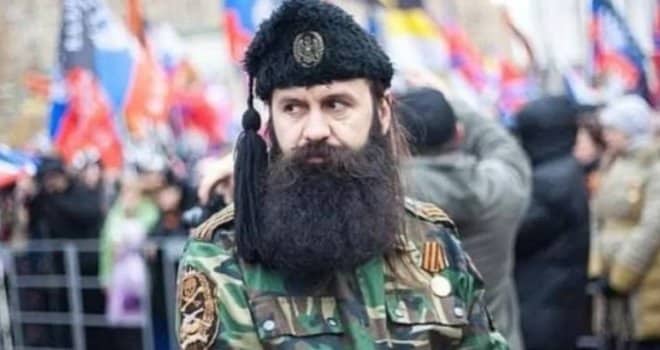
Bratislav Živković, the commander of the Chetnik movement from Serbia, was killed in Ukraine during the conflict in the Kursk region. According to unofficial information, he died on the night of January 2 during the fighting, reports Liberation.
News of his death appeared on Russian Telegram channels, where his comrades expressed their grief at the loss. One of the posts reads:
– During the night, on January 2, in the heavy battles for the liberation of the Kursk region, our friend and brother, the commander of the assault platoon, Bratislav Živković, died as a hero.
Živković was known for his participation in foreign war conflicts, especially in Ukraine, where he fought on the side of pro-Russian separatists. His involvement in the Ukrainian conflict began in 2014, when he led a group of Serbian volunteers in Crimea during the Russian annexation of that peninsula.
He claimed to have taken part in the fighting for Luhansk and Donetsk, hotbeds of conflict between Ukrainian forces and pro-Russian separatists. He also claimed to be a recipient of the Russian Ministry of Defense medal for the “return of Crimea”, although these claims have never been independently verified.
Živković was the subject of numerous controversies in Serbia as well. In 2018, he was arrested on suspicion of organizing the participation of Serbian citizens in foreign wars, allegedly offering them a monthly fee of 200 euros. Sources state that the funds for these activities came from the budget of the self-proclaimed Luhansk People’s Republic.
Due to his activities, Romania designated him as a national security threat in 2017, banning him from entering the country for 15 years after he was caught in espionage activities. The ban was later extended to other NATO countries.
After that, Živković stayed in Bulgaria, and then in Russia, where he continued cooperation with pro-Russian military and political structures. He was associated with far-right organizations such as “Unité Continentale”, which the Ukrainian authorities have designated as an extremist movement.
His name was also found in the documents of the General Prosecutor’s Office of Ukraine, where he, along with five other Serbian citizens, was investigated for attacks on Ukrainian forces in the Donetsk and Lugansk regions.
(TYPE/Source: Oslobođenje.ba/Photo: Depo)